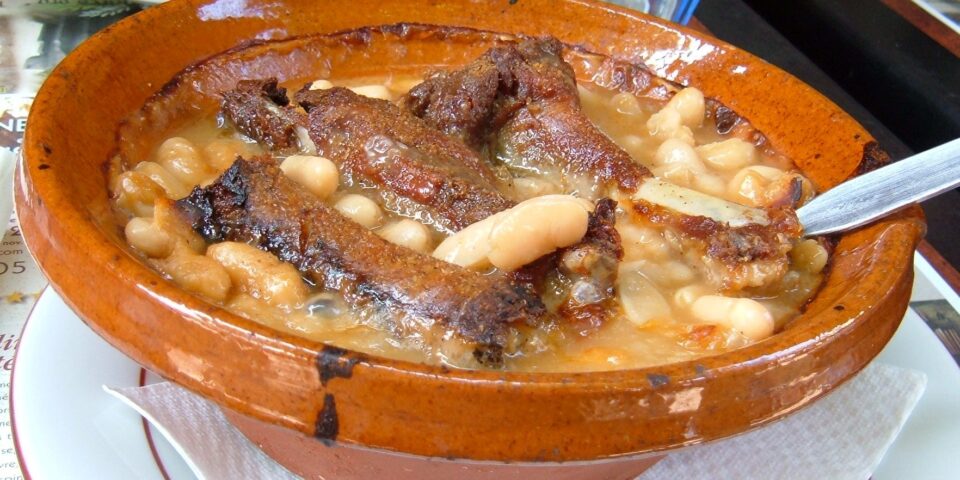
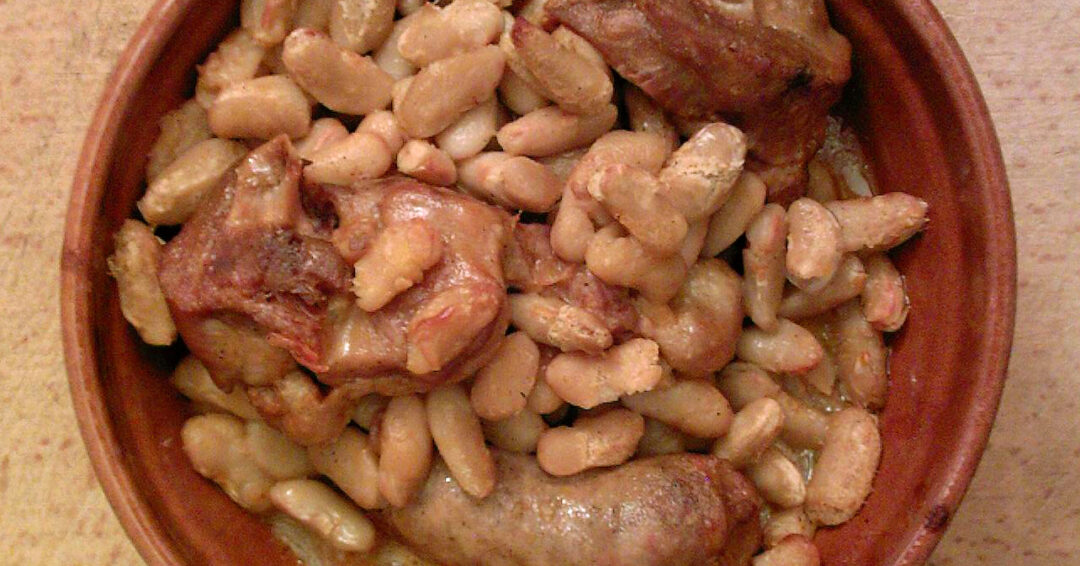
Cassoulet is a traditional French dish that hails from the southwest of France, particularly the regions of Languedoc and Toulouse. This hearty casserole is made from slow-cooked white beans, typically combined with a variety of meats such as duck, sausage, and pork. The dish’s rich flavors come from the long, slow simmering process, which allows the ingredients to meld together beautifully. Cassoulet has a rustic, comforting appeal, making it a staple during the colder months and an iconic part of French cuisine. While each region has its own variation, the essential elements of cassoulet—a balance of savory beans and tender meats—remain the same, reflecting the culinary tradition and history of the area.
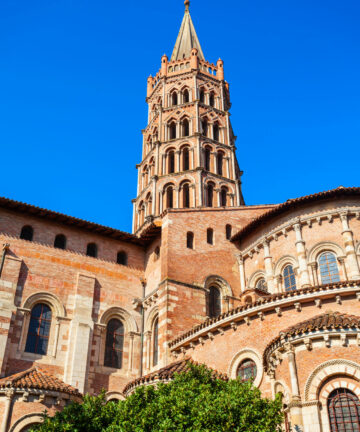
Cassoulet is a beloved dish from the south of France, specifically the Languedoc region, with its roots tracing back to the Middle Ages. The dish is said to have been born out of necessity, as peasants would combine local ingredients—such as beans, meats, and preserved foods—into a single, slow-cooked pot to nourish their families during harsh winters. Over the centuries, the dish has evolved and gained regional variations, with Toulouse, Carcassonne, and Castelnaudary each claiming to have the “original” cassoulet recipe. Regardless of its origins, cassoulet remains a symbol of French culinary tradition and a testament to the resourcefulness of French home cooks.
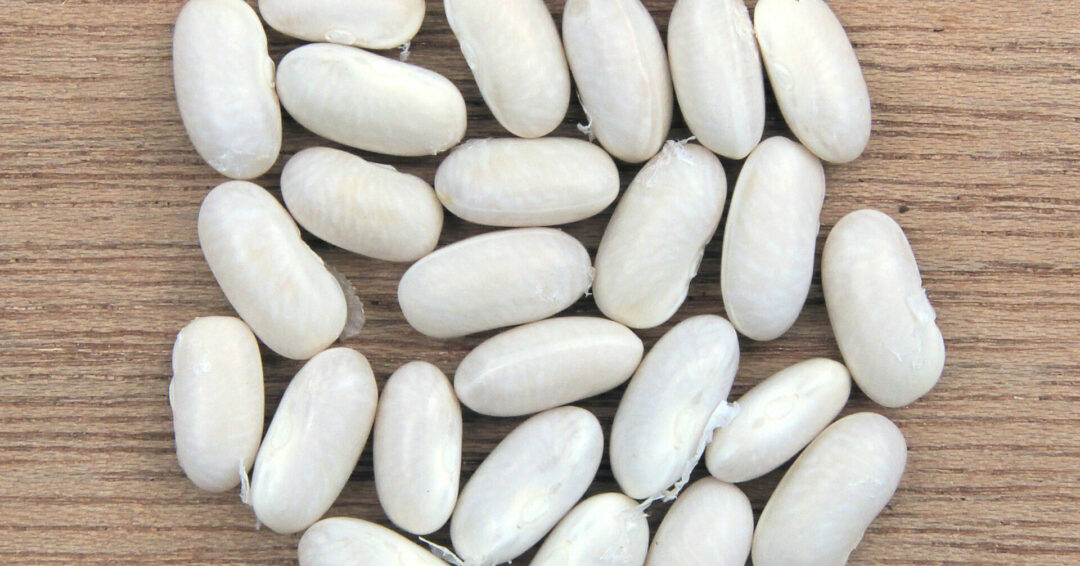
At the heart of cassoulet are its signature white beans, often the large, creamy haricot beans, which soak up the flavors of the meats and create a rich, velvety texture. The dish typically includes a variety of meats such as duck confit, pork, and Toulouse sausage. In some versions, lamb is also added, making for an even more complex and flavorful dish. The slow-cooking process is crucial to allow the beans to absorb the flavors of the meats while the fats infuse the beans, creating the dish’s trademark richness. Herbs like thyme, bay leaves, and garlic provide depth, while a golden breadcrumb crust often forms on top, adding a satisfying crunch.
Cassoulet is more than just a meal; it’s a cultural icon, representing the warmth and hospitality of southern France. It’s traditionally enjoyed during festive gatherings and celebrations, and in some regions, it’s even considered a communal dish. Making cassoulet is a labor of love, with the process often passed down through generations. The dish’s popularity has spread beyond France, with chefs around the world adding their own spin on this classic. But despite modern twists, the essence of cassoulet remains unchanged: a hearty, slow-cooked dish that brings people together, honoring the French tradition of savoring good food in good company.